




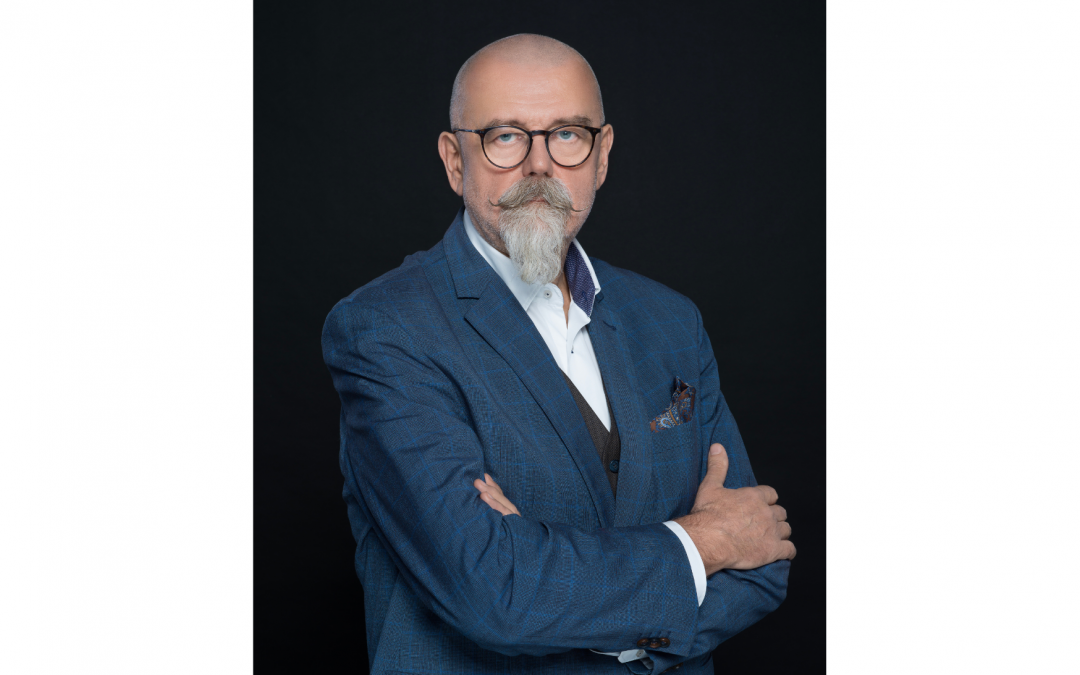
Ladies and Gentlemen,
Students are members of the academic community who draw on our support and experience to build their own artistic worlds. The measure of the quality of education is not the grade on their thesis, but what becomes of them afterward. It is their career development that serves as the ultimate test of whether the curricula and methods we employ are appropriate for professional success in the organizations, cultural institutions, artistic communities, and art market that await them. In arts education, we do not teach students to cater to popular tastes; rather—whether in the fine arts, design, or conservation—we teach them the courage to seek the truth and defend their artistic stance. Such are the times we live in that, to be an artist and survive, it is not enough to acquire creative skills; one must also know how to navigate the artistic community and the art market. Geniuses starving for recognition fare well only in sentimental biopics. In real life, far too many graduates of the Academy of Fine Arts are forced to abandon their passion simply because we have failed to equip them with the necessary social skills. We must do everything we can to support them.
It's true, we're already doing a lot.
The Academic Career Office supports graduates, and I often meet the Office’s staff members at conferences, congresses, and art fairs (for example, at the international conference “Young Artists in Europe—Challenges and Reality,” organized as part of Poland’s EU Presidency, where we exchanged experiences on building artistic careers). For many years, we have been involving students in university- and department-wide intergenerational artistic projects and events; we have established the Fund to Support Student Participation in Major Artistic Events; we finance Open Art projects; and, together with Bunkier Sztuki and Pałac Sztuki, we showcase graduation projects, and the departments foster collaboration with the local community and business sector.
And yet.
I feel that this is still not enough to further their artistic careers. I will urge you to take steps to strengthen students’ non-artistic skills. Together with the Council of Rectors, we also dream of creating conditions to discreetly support graduates so that, now free from the judgment of their teachers and still free from the demands of the market, they can build their artistic independence. Perhaps these are pipe dreams, but we are not in the habit of limiting our dreams.
Speaking of external support.
The administration of the Department of Interior Architecture has established an External Stakeholder Council, which allows them to gain insight from those with whom our graduates will collaborate in the future. I would like to express my sincere gratitude for this initiative and encourage all departments to follow suit.
Dear Deans,
For now, we have one urgent matter to address. Prospective students and current students must have access to comprehensive information about academic programs and teaching methods. The former need this information to make the right choice of university, while the latter need it to tailor their studies to their goals and needs—and this information is contained in course syllabi, which currently leave much to be desired. For the sake of students, let’s fix this.
Prof. Andrzej Bednarczyk
Rector