




History of the Academy

First, the Academy
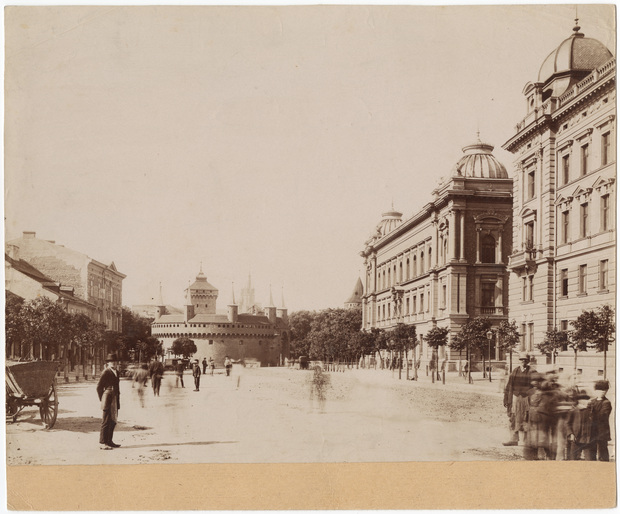
The Jan Matejko Academy of Fine Arts in Kraków, founded in 1818, is the oldest art academy in Poland. Its history is inextricably linked to the history of Polish art as a whole. At every stage of the academy’s history, we encounter artists whose works have shaped—and continue to shape—the direction of Polish art: in the past, it was Jan Matejko, the academy’s patron, and the Kraków circle of Young Poland; then came the artists of the avant-garde movements, as well as those for whom their own individual and unique form of artistic expression became paramount.
Let us recall Hanna Rudzka-Cybis, who, along with the other members of the Kapists, fought for the ability to “resolve the image through painting,” Maria Jarema, a sculptor and leading artist of the Polish avant-garde who drove the activities of both the First and Second Krakow Groups; and Janina Kraupe-Świderska, who sought the hidden reality of the world through her own esoteric painterly alphabet. True to its tradition, the Academy is building the future of Polish art at the highest global level. The works of Tadeusz Kantor, Andrzej Wajda, and Igor Mitoraj are the best confirmation of this.
We encourage you to read the article describing the more than 200-year history of the Academy of Fine Arts in Kraków (link to the Wikipedia article on the Academy of Fine Arts in Kraków)
Tradition and Modernity
Remaining true to its rich tradition spanning more than 200 years, the university rises to meet the challenges and needs of the modern world. It offers programs in seven departments: Painting, Sculpture, Printmaking, Interior Architecture, Conservation and Restoration of Works of Art, Industrial Design, and Intermedia.
The Academy has approximately 1,000 students from Poland and abroad enrolled in bachelor’s and master’s degree programs, postgraduate programs, and the Doctoral School. The Academy of Fine Arts in Kraków collaborates with over 100 foreign universities.
The Academy of Fine Arts in Kraków carries out its educational mission professionally and effectively, and the knowledge imparted to students is highly useful. The Academy’s faculty members teach skills and competencies in the field of fine arts. They also foster creativity, entrepreneurship, and independence in action. They motivate students and support them in their ongoing development.
The Academy is committed to high-quality education, which it delivers based on universal artistic and social values. In doing so, it draws on the latest advances in methods and technologies in the fields of art, design, and conservation. In keeping with its mission, the Academy of Fine Arts in Kraków is a modern institution—a place where outstanding talents with leadership skills can flourish.
Collaboration
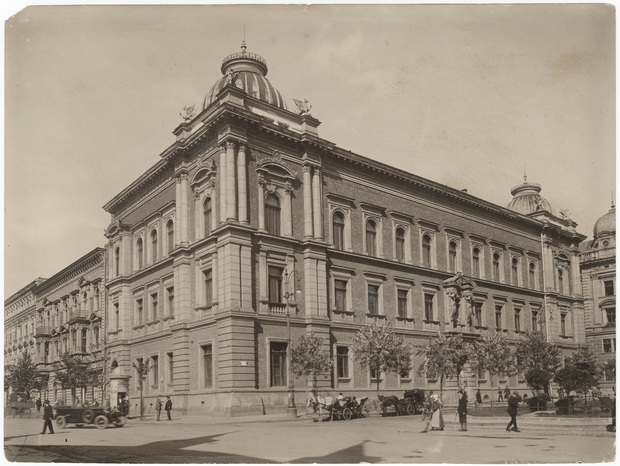
The university collaborates with other institutions in the fields of art, culture, science, and design, as well as with the broader socio-economic community. It serves as a center for research, opinion-forming, and public outreach. The Academy has been recognized for its organizational, scientific, and educational achievements, the high quality of its education, and the commitment of its faculty and students to social and cultural activities. In July 2021, it received the “University of Leaders” certificate. It also received the “Primus” distinction in the 11th edition of the National Competition and Certification Program for Higher Education Institutions “University of Leaders,” organized by the Foundation for the Development of Education and Higher Education.