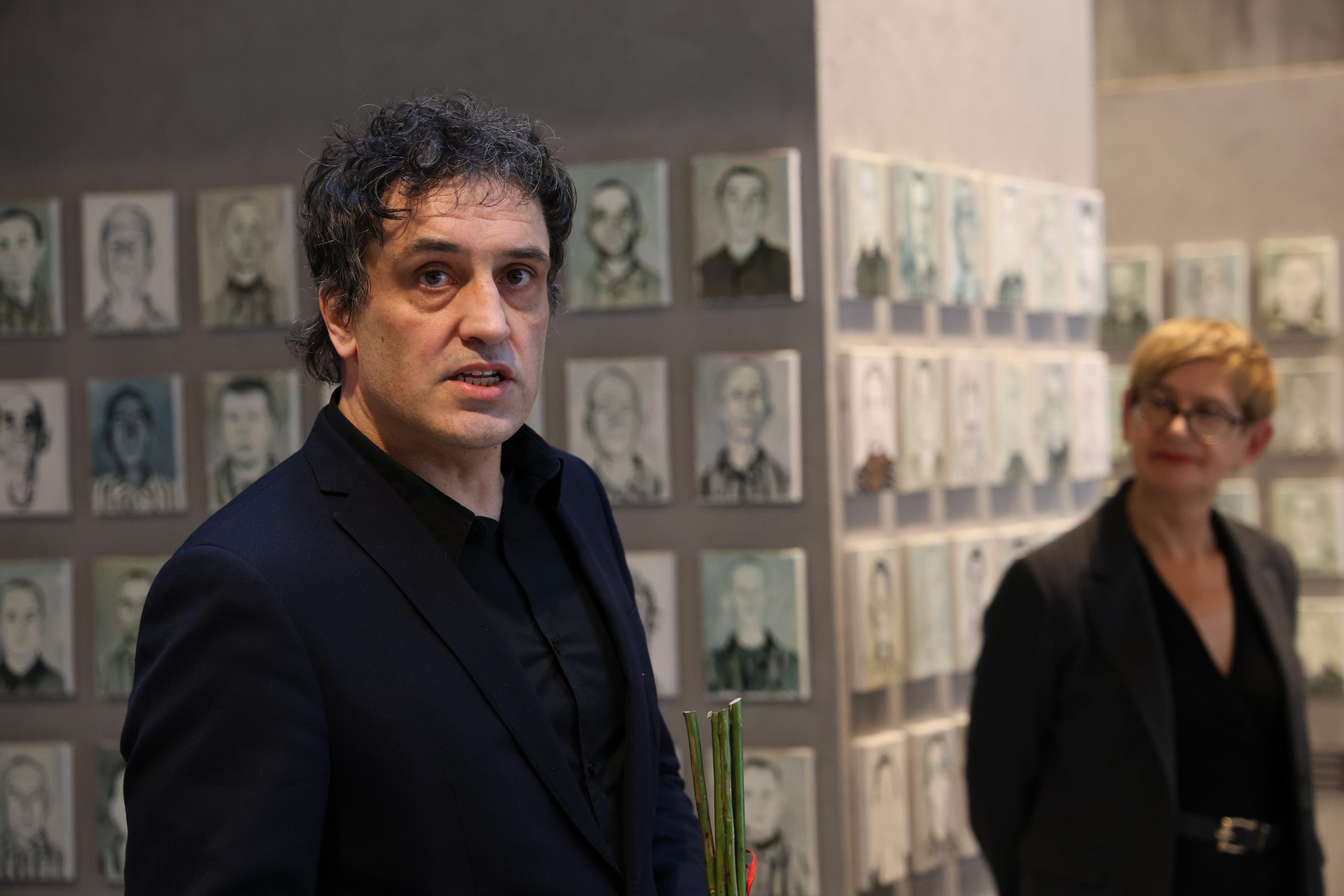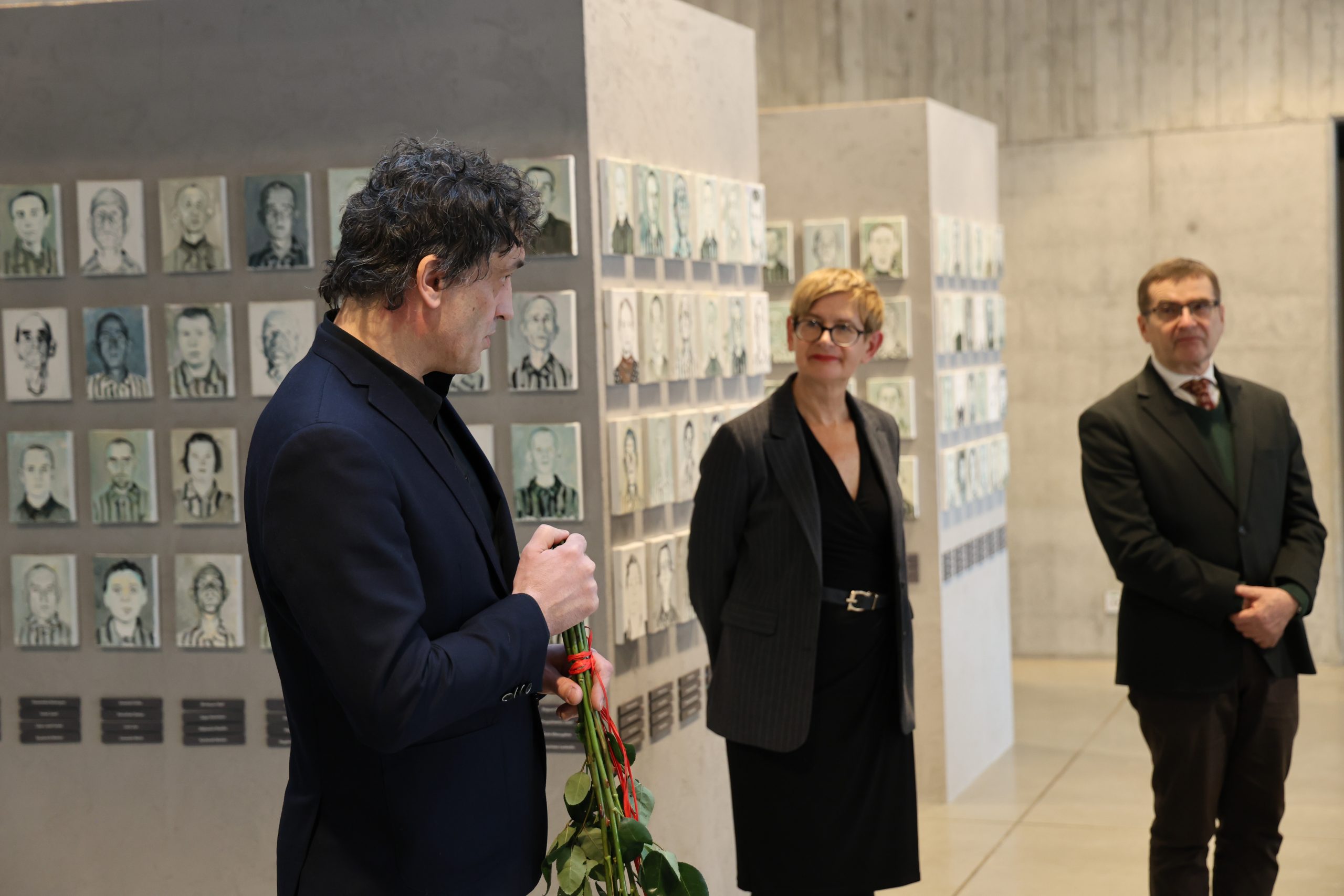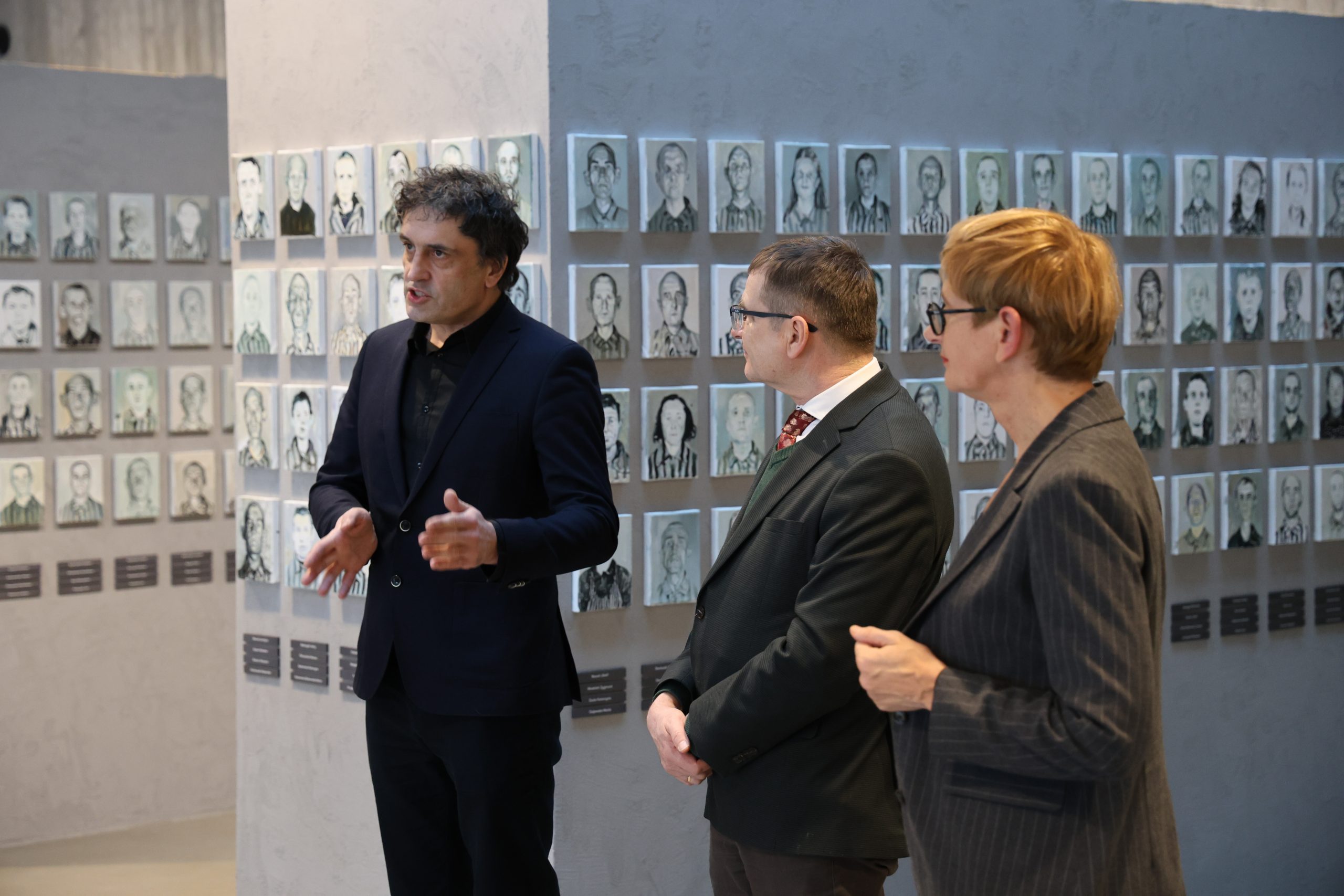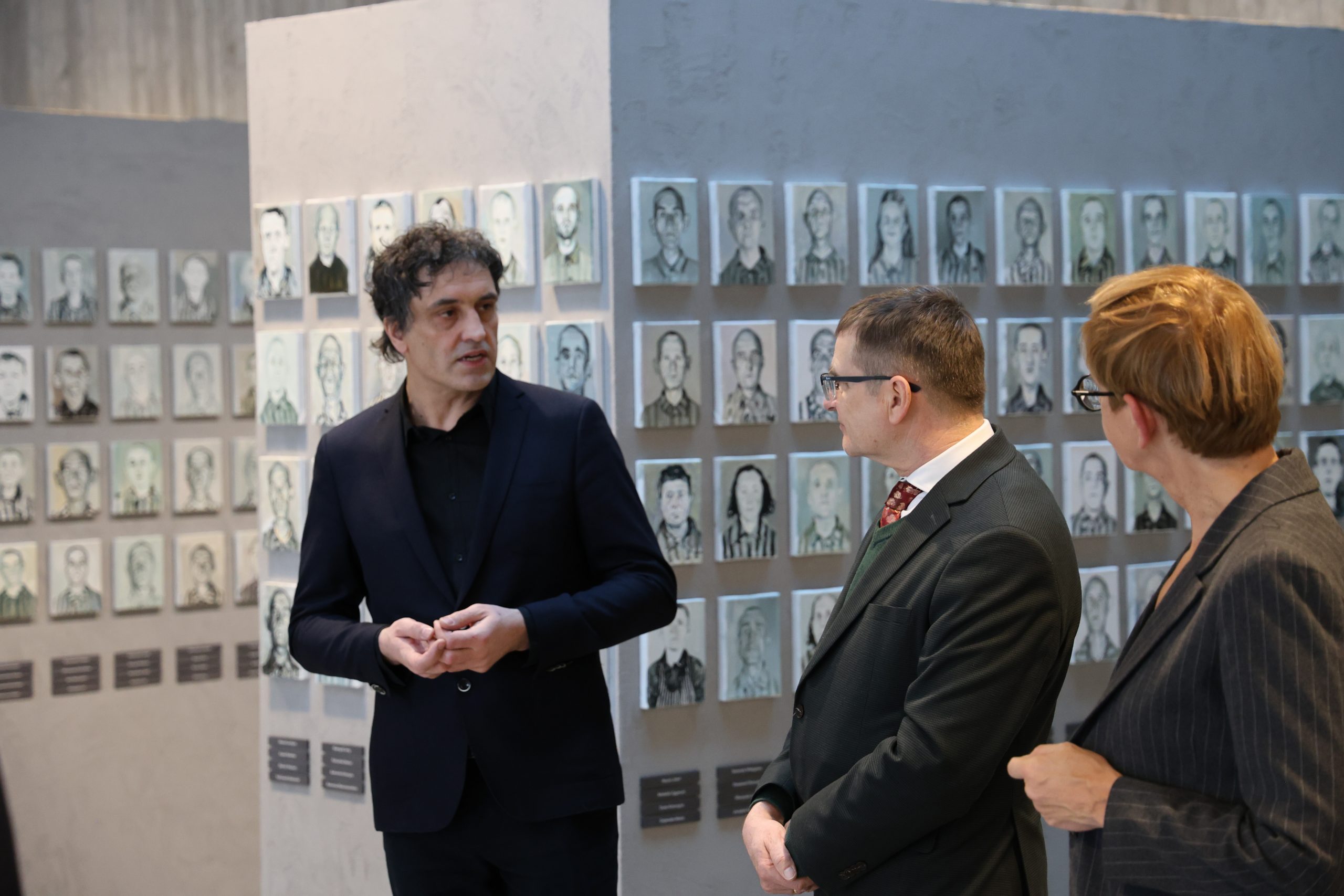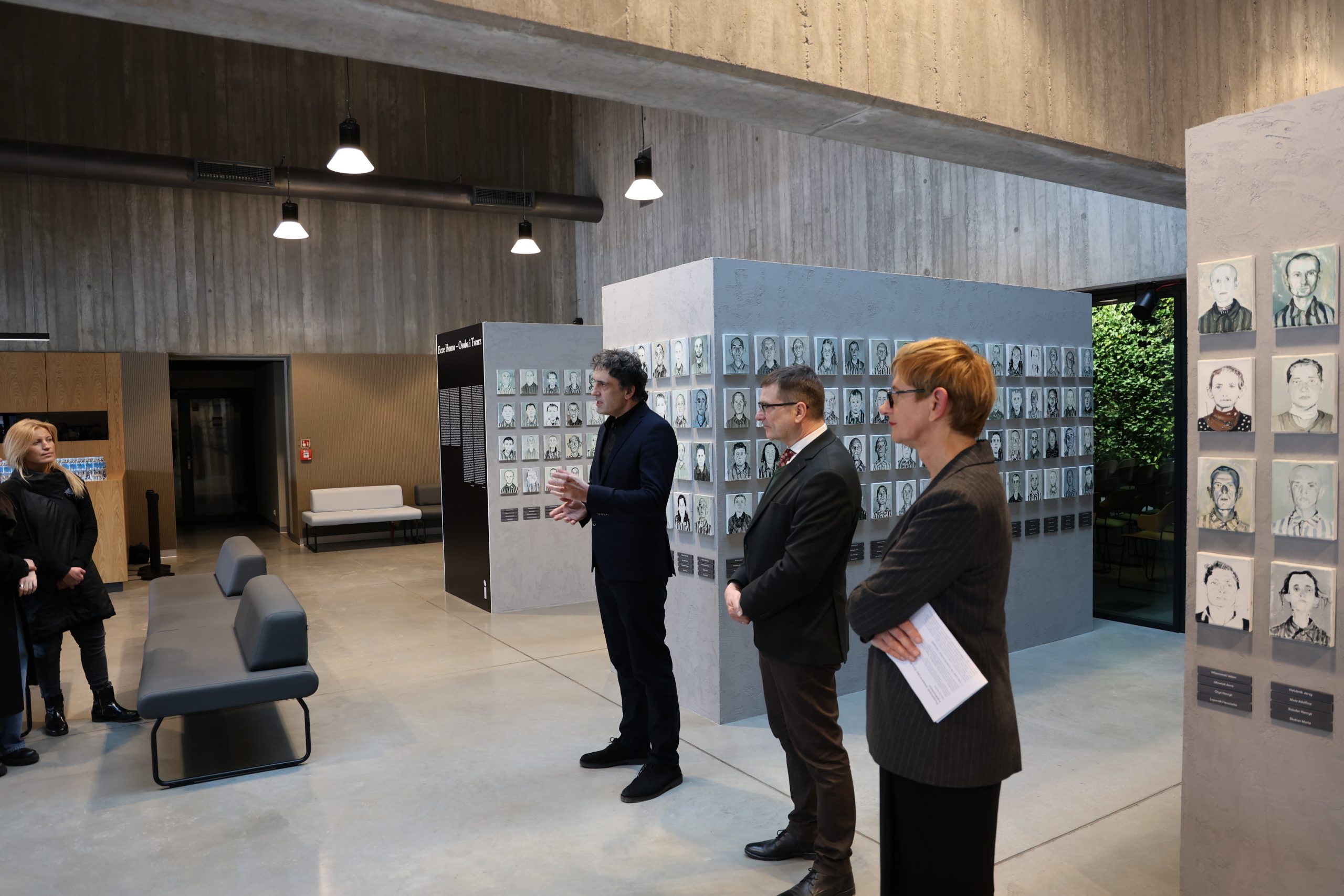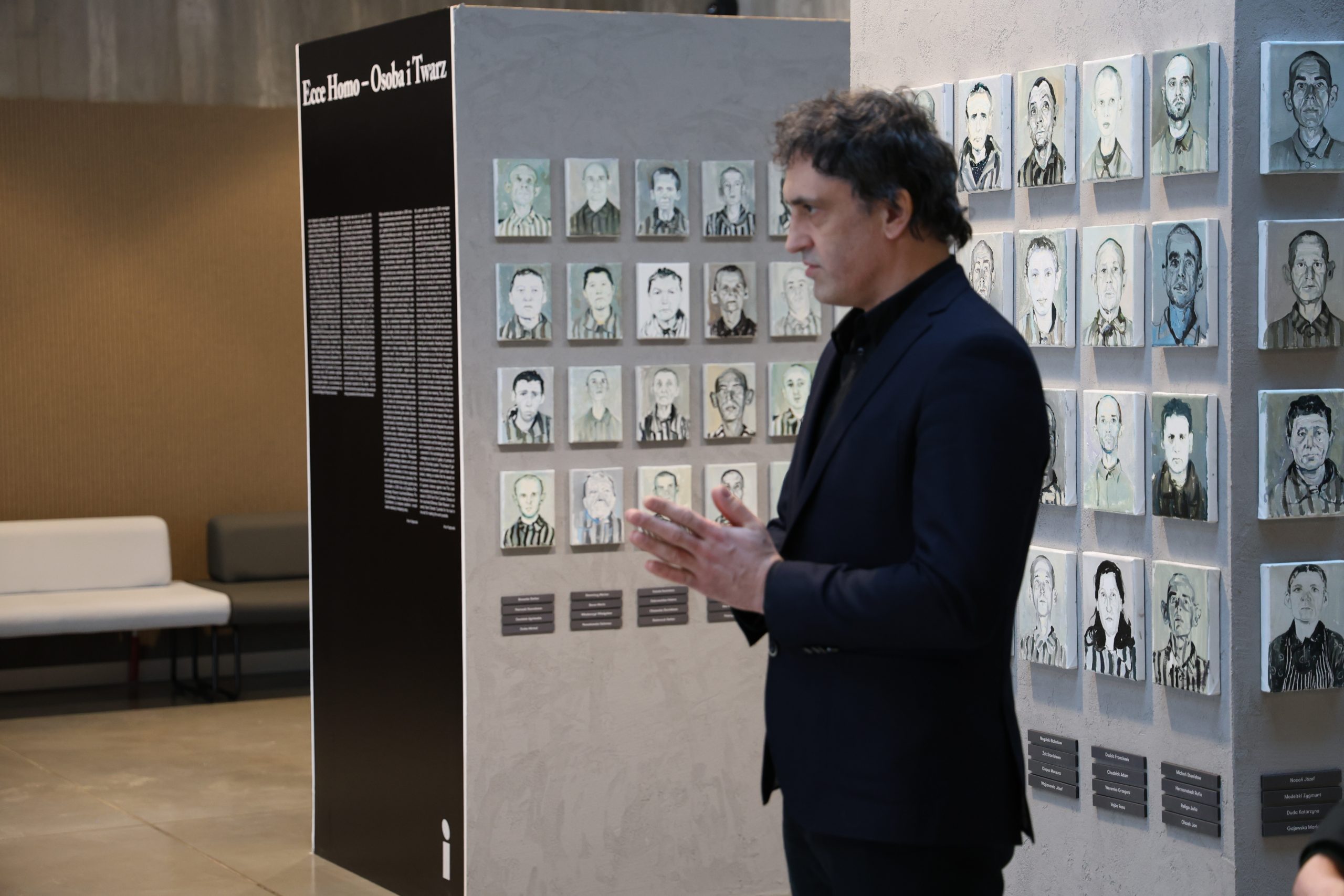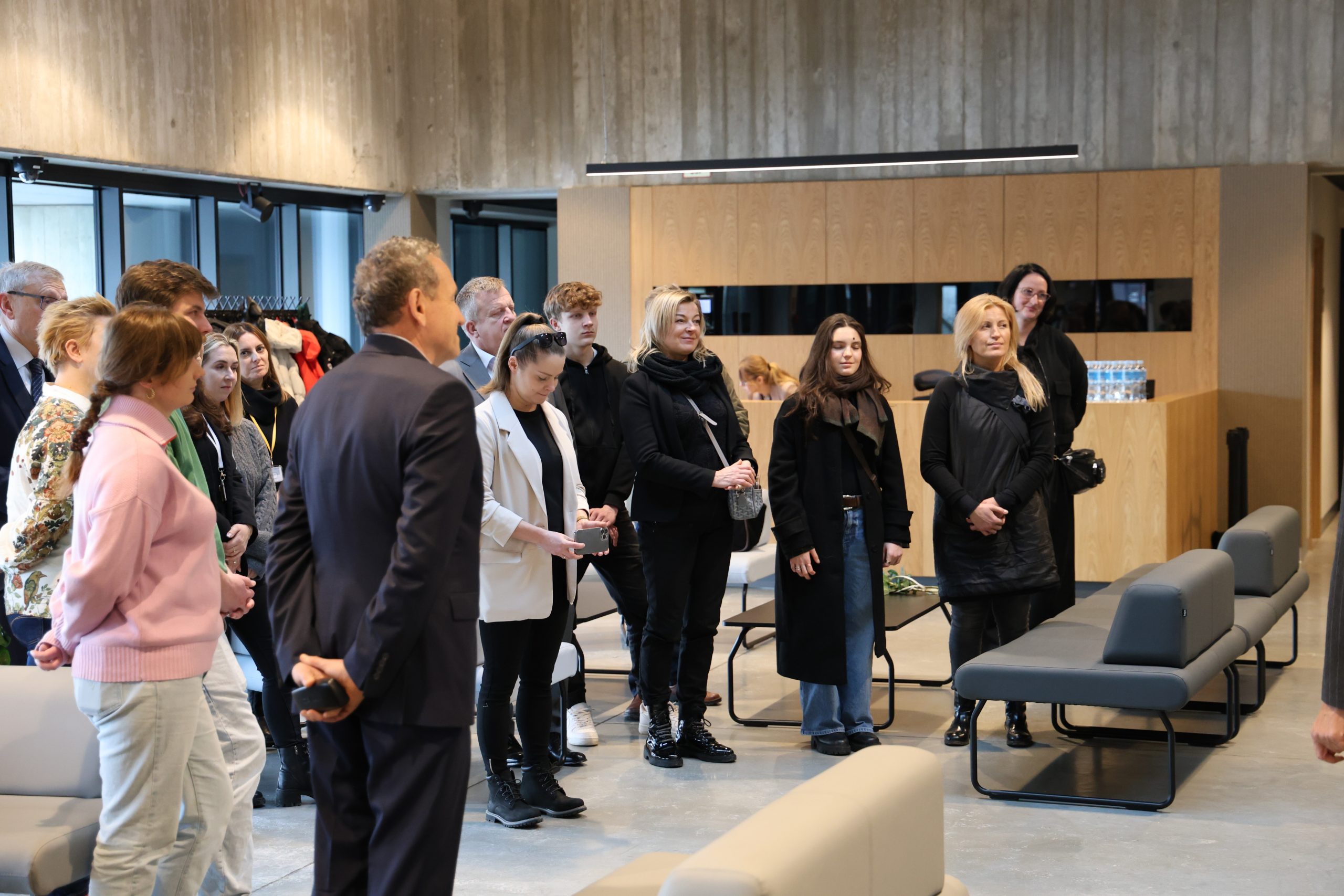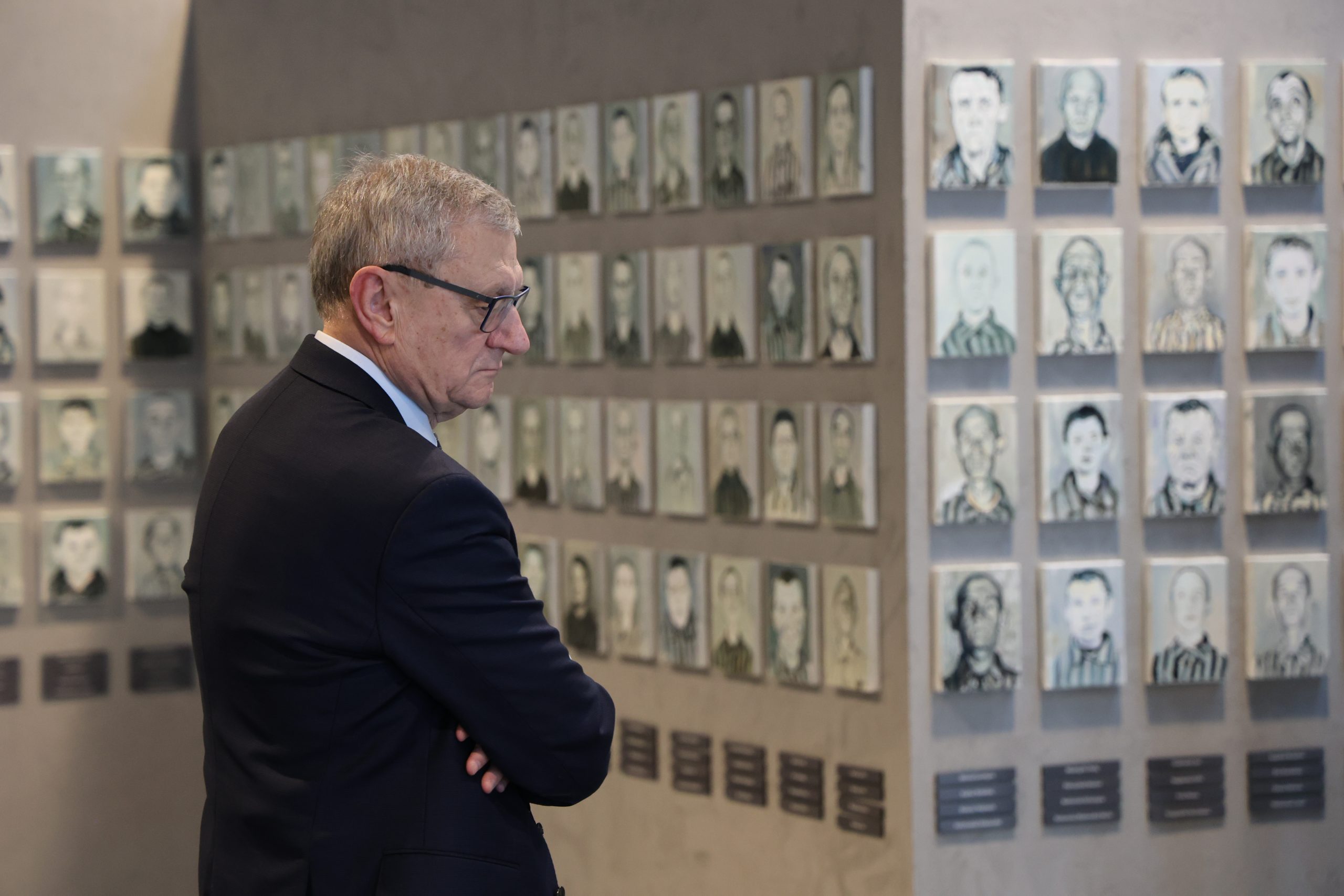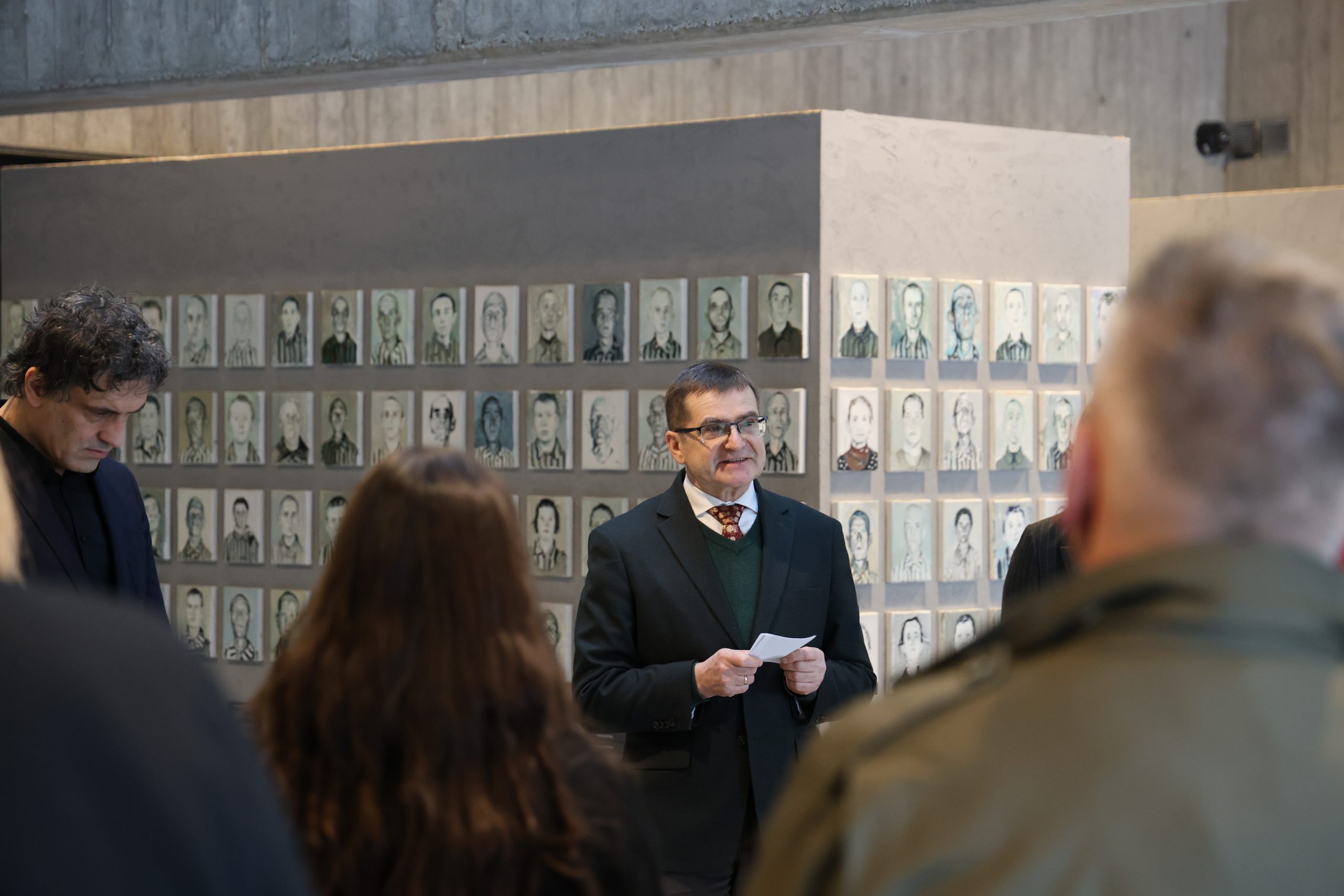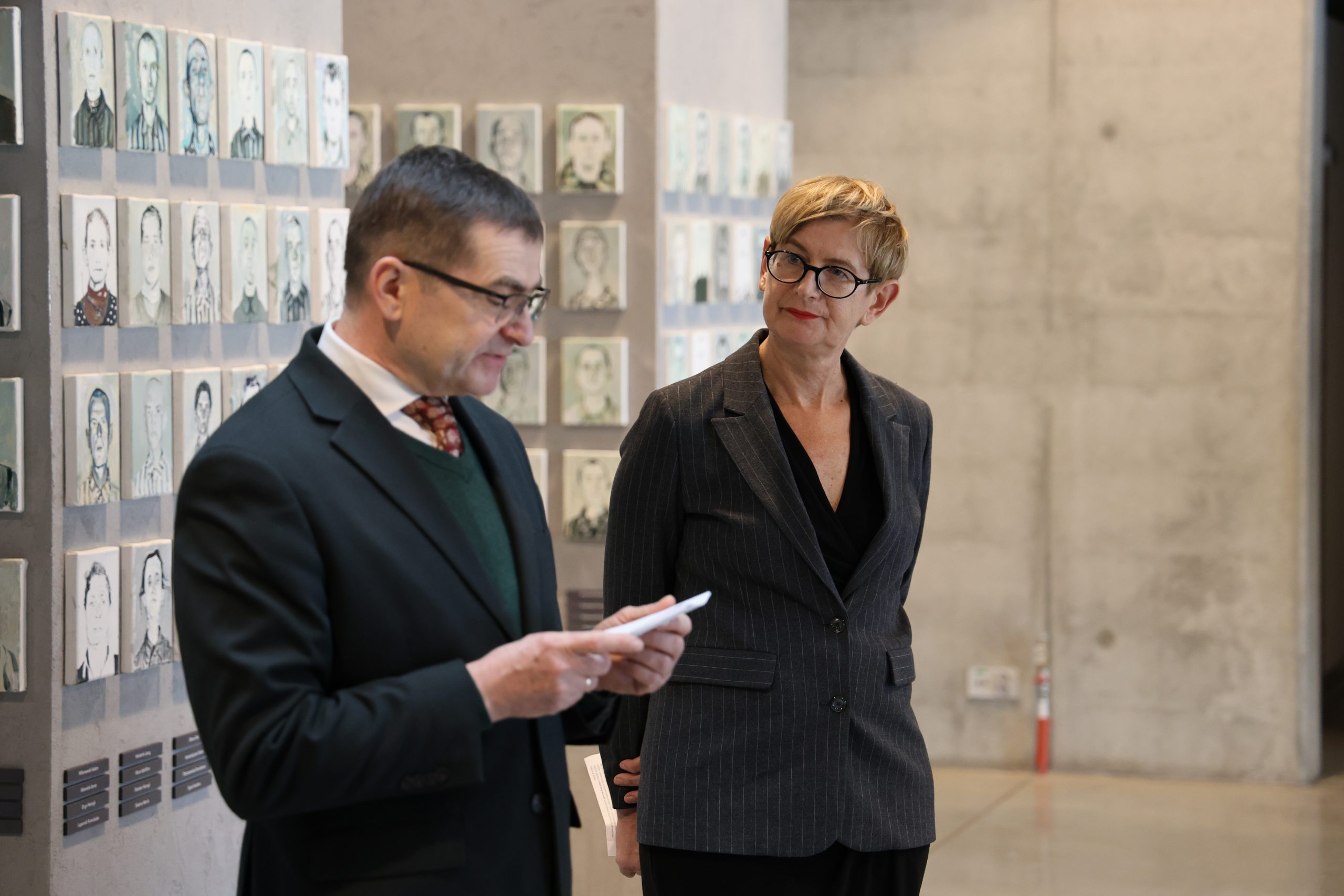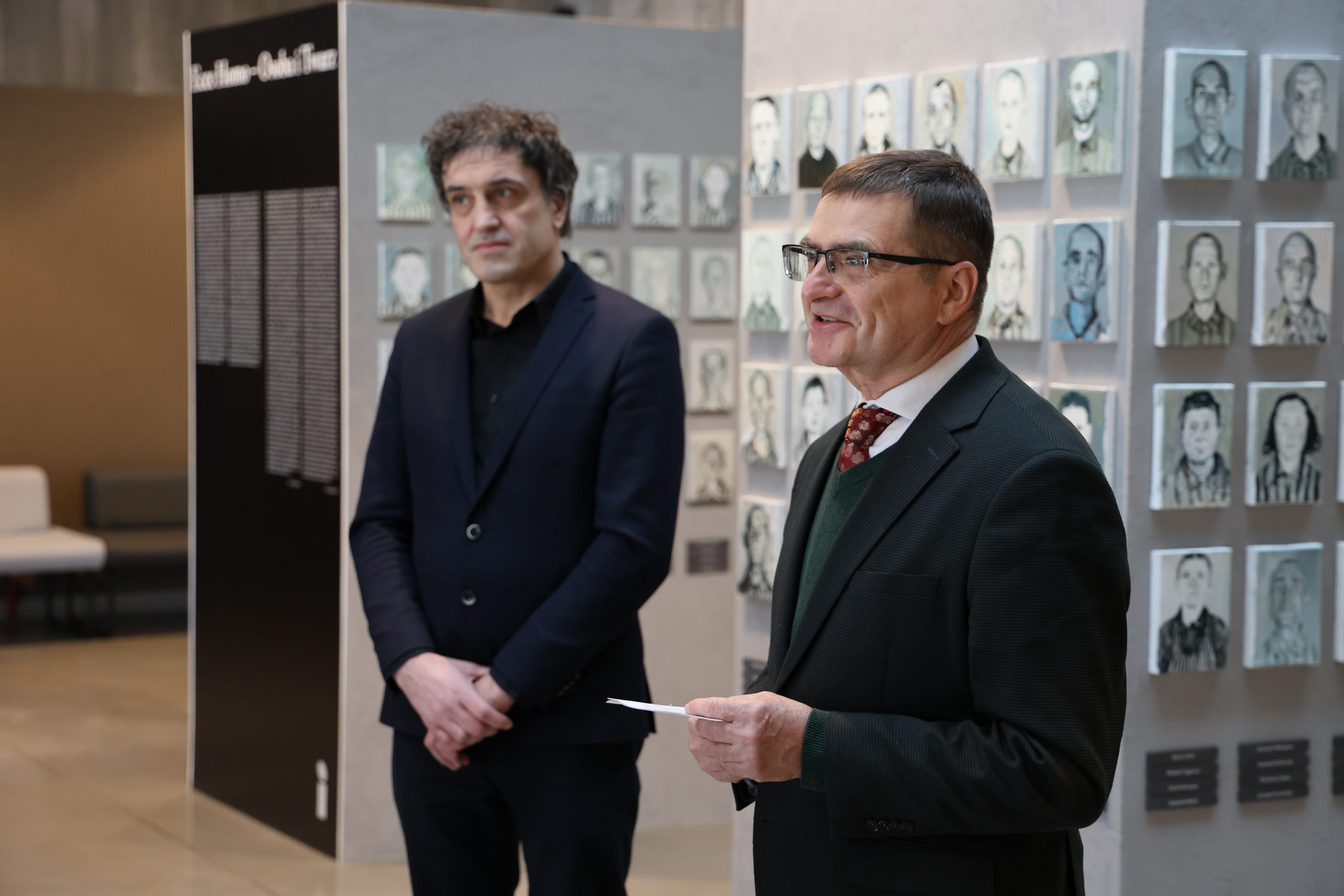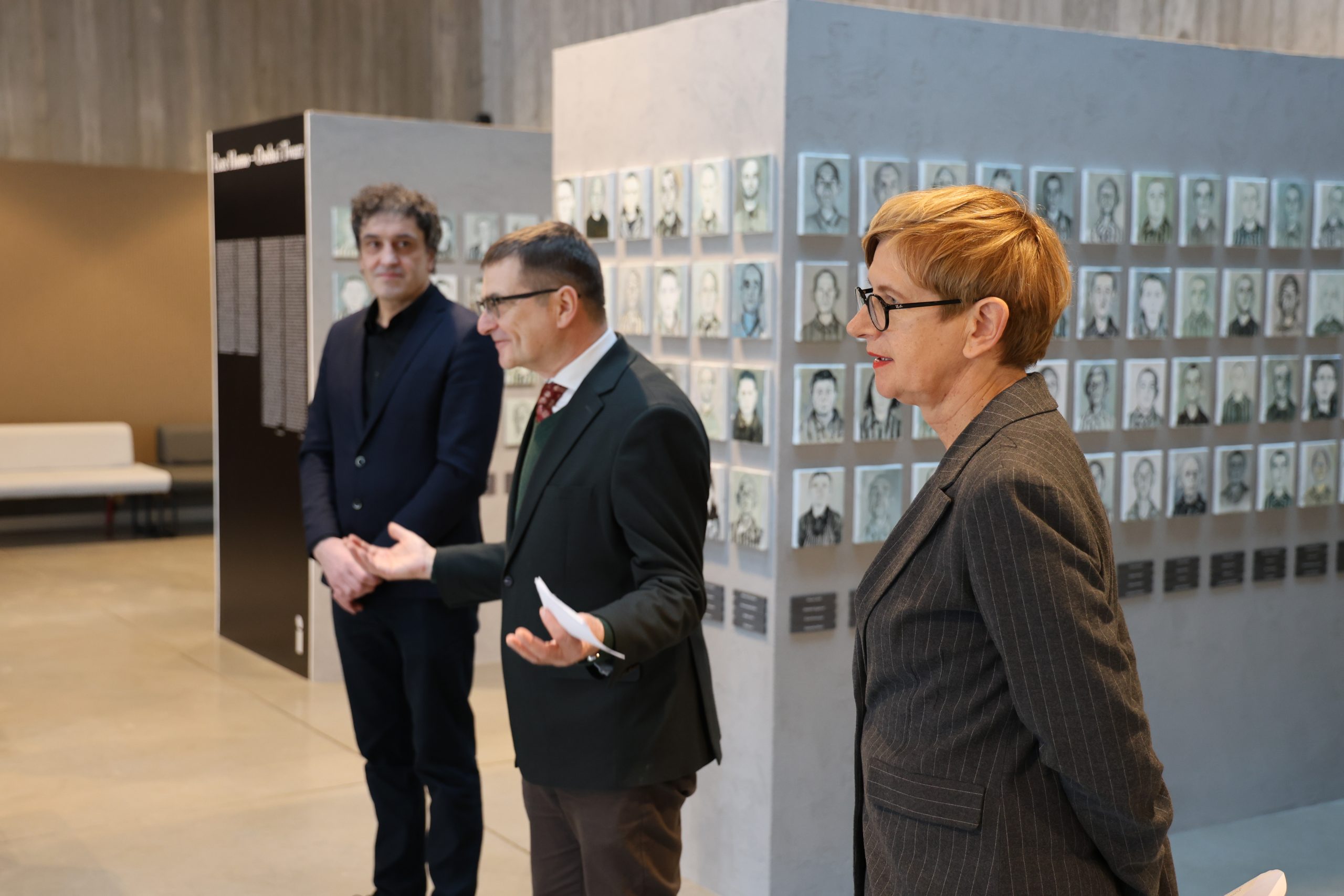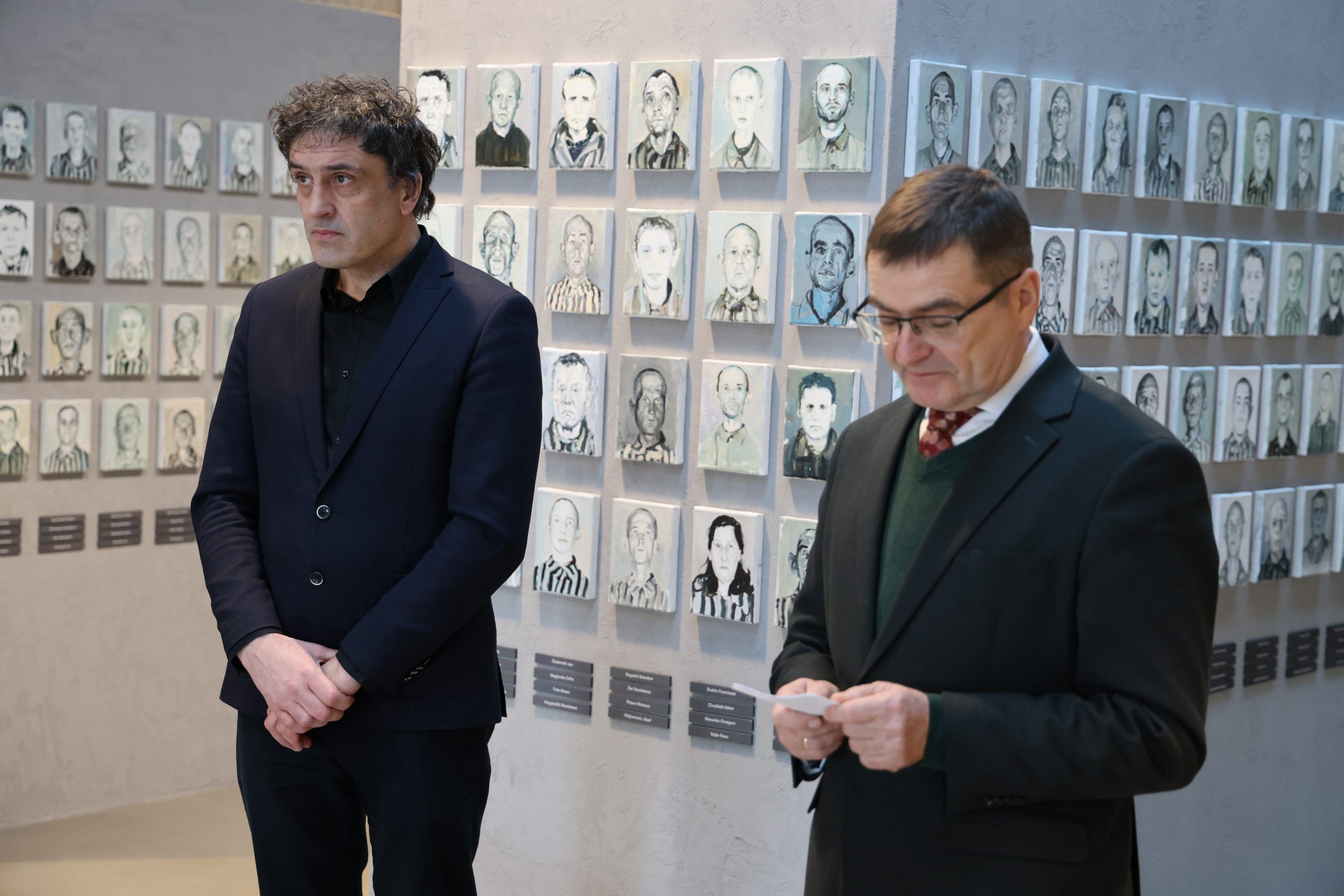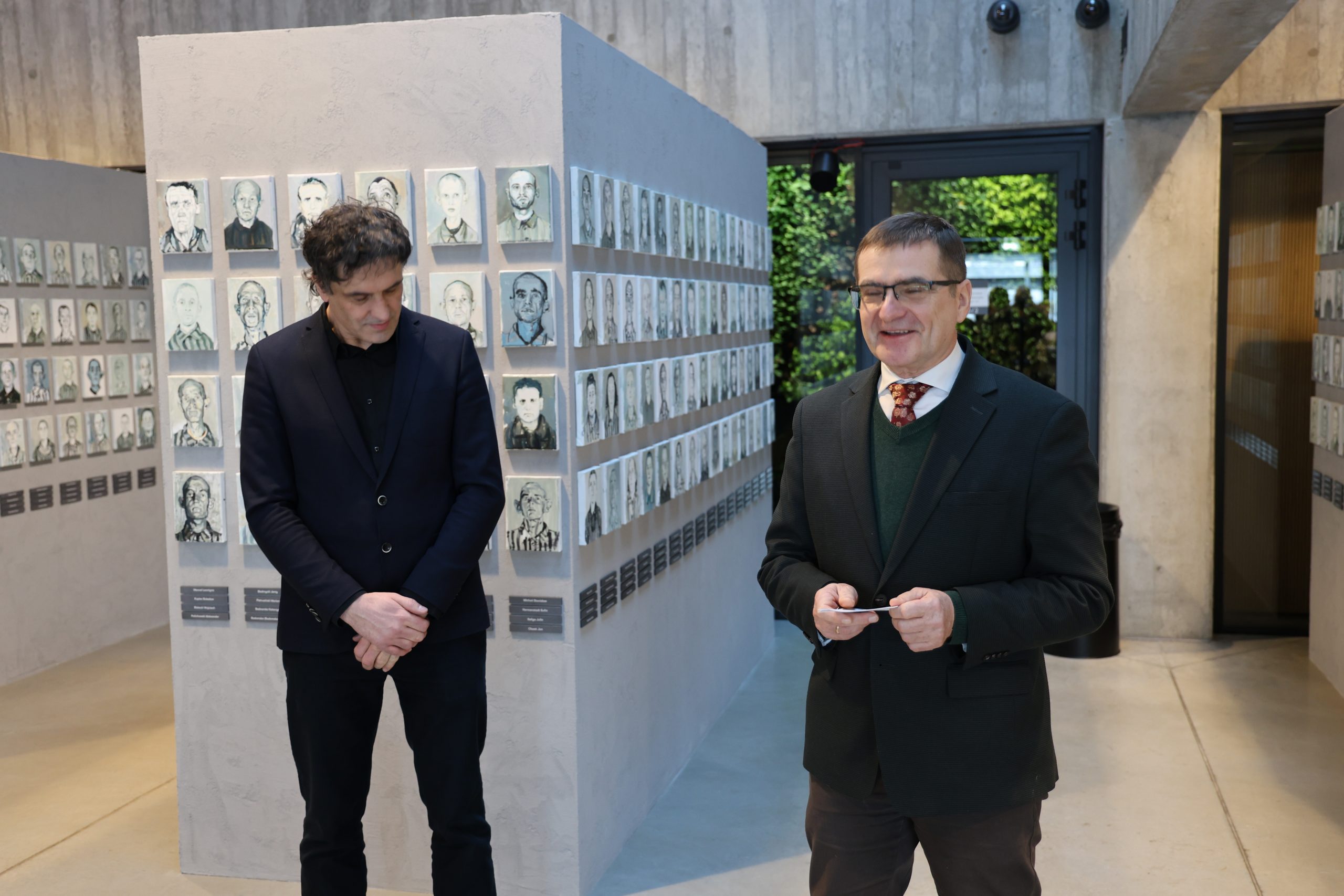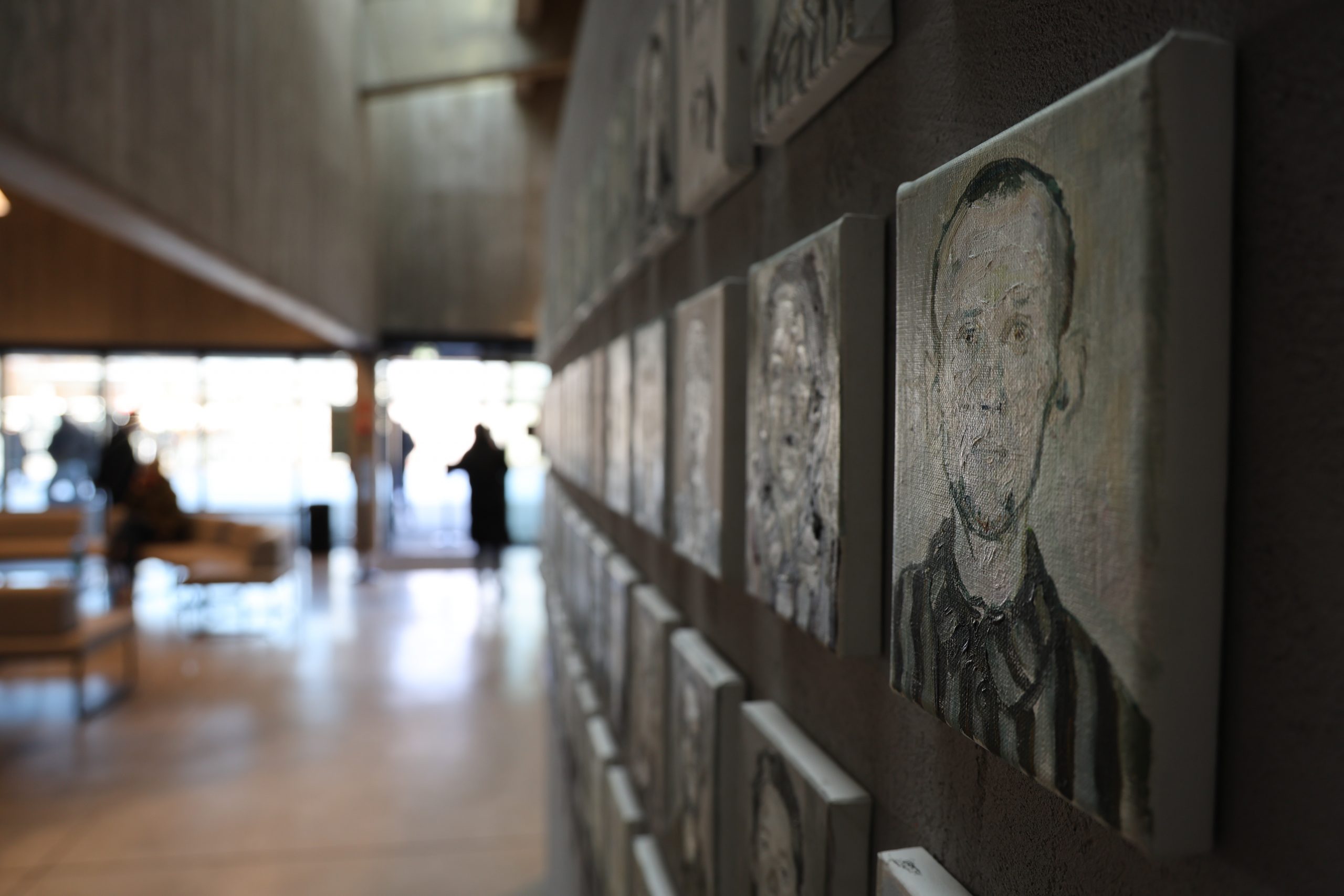




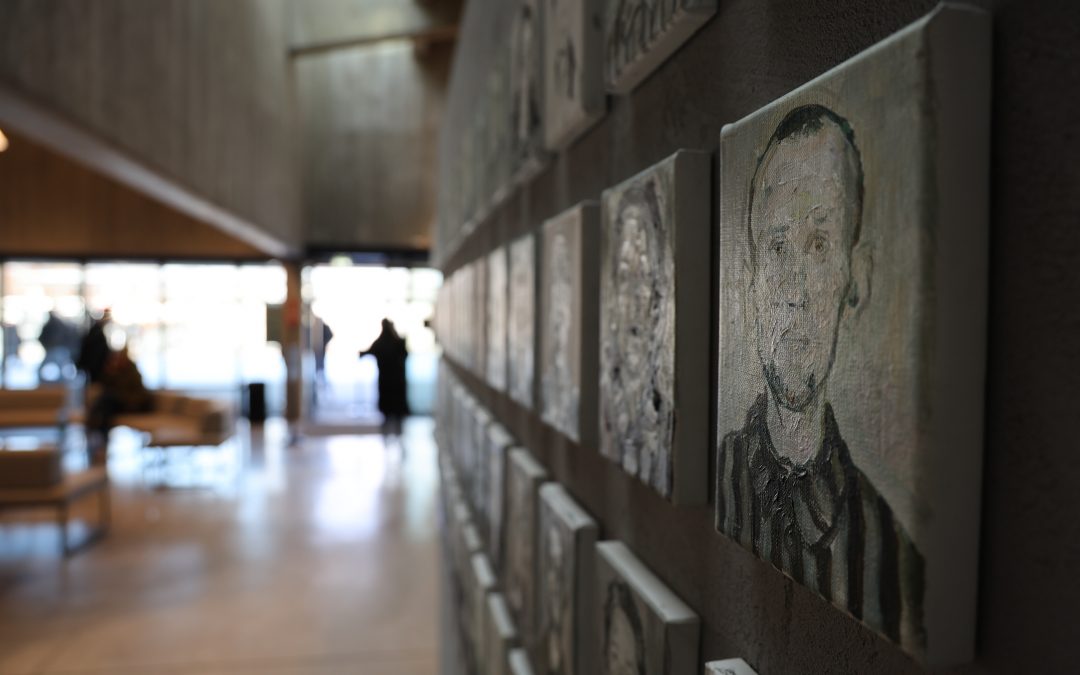
“Ecce homo – The Person and the Face” is the title of an exhibition by Dr. Artur Kapturski, which opened at the Auschwitz Museum hostel. The exhibition features a collection of over 650 oil paintings—portraits of prisoners from the German Nazi concentration and extermination camp at Auschwitz. The works are based on registration photographs preserved in the museum’s archives.
The exhibition is part of a long-term project. The artist intends to paint all the surviving portraits of prisoners. This is meant to be not only a tribute to the victims’ memory, but also a unique attempt to engage in a dialogue with humanity and human nature.
“A total of 38,916 portrait photographs of prisoners have been preserved, including 31,969 photographs of men and 6,947 of women. The aim of this project is to defend humanity, identity, and human dignity. As an expression of care for the culture of remembrance and historical truth, this project is an attempt to reflect on its significance for contemporary society,” wrote Artur Kapturski.
According to Andrzej Kacorzyk, director of the International Center for Education about Auschwitz and the Holocaust, by drawing on photographs taken at the behest of the camp administration, the author attempts to go beyond the world that surrounds us—and which we strive to protect: “It is a world of freedom, democracy, and values recognized as the foundation of modern civilization.” By looking into the faces of the victims of the crimes committed by the German Nazis, we can gain a deeper understanding of the reality of a world marked by contempt and violence.”
– In the black-and-white portraits of male and female prisoners, sadness, suffering, fear, and often despair are clearly visible. Both the photographs themselves and the portraits based on them should also serve as a catalyst for deeper reflection on the present day and the foundations of humanity. They prompt us to ask difficult questions about our moral choices today, our reactions to the suffering and death of innocent people, as well as the falsehood, hypocrisy, and contempt for the truth present in the public sphere,” added Andrzej Kacorzyk.
According to Artur Kapturski, thanks to the form in which the project is carried out, the camp photographs—which were part of a brutal procedure designed to torment and murder—take on a completely new meaning. They become portraits.
“When I paint, I focus on the human being as a person. I strive to bring out their truth and to integrate the personal dimension of the truth about Auschwitz into the life and culture of our times. In light of this idea, the photographic testimony of a person’s torment and the deprivation of their sovereignty by criminal German Nazism—presented in eschatological artistic truth—emerges as a kind of ‘gallery of victims’ of the Nazi system,” reads the artist’s text accompanying the exhibition.
Artur Kapturski, born in 1979 in Radom, is a graduate of the Faculty of Painting at the Academy of Fine Arts in Kraków, where he earned his diploma with honors in the studio of Prof. Grzegorz Bednarski. He has been affiliated with the Academy of Fine Arts in Kraków for many years as a research and teaching staff member, and in 2017 he earned a Doctor of Fine Arts degree. The project “Ecce Homo – Person and Face” was conceived in 2009, during the artist’s first visit to the Auschwitz Memorial.
The exhibition on the grounds of the former camp holds special significance for the artist, as it represents a symbolic return to the roots of both the tragedies of the people portrayed and the artist’s personal journey, which led him to confront the subject of Auschwitz.
The exhibition is organized by the Jan Matejko Academy of Fine Arts in Kraków at the invitation of the Auschwitz-Birkenau State Museum in Oświęcim. The exhibition’s partner is RE-Bau Sp. z o.o., which supports the Kraków Academy of Fine Arts in many important artistic projects.
The exhibition is open through March 19, 2026, during the museum's regular hours.
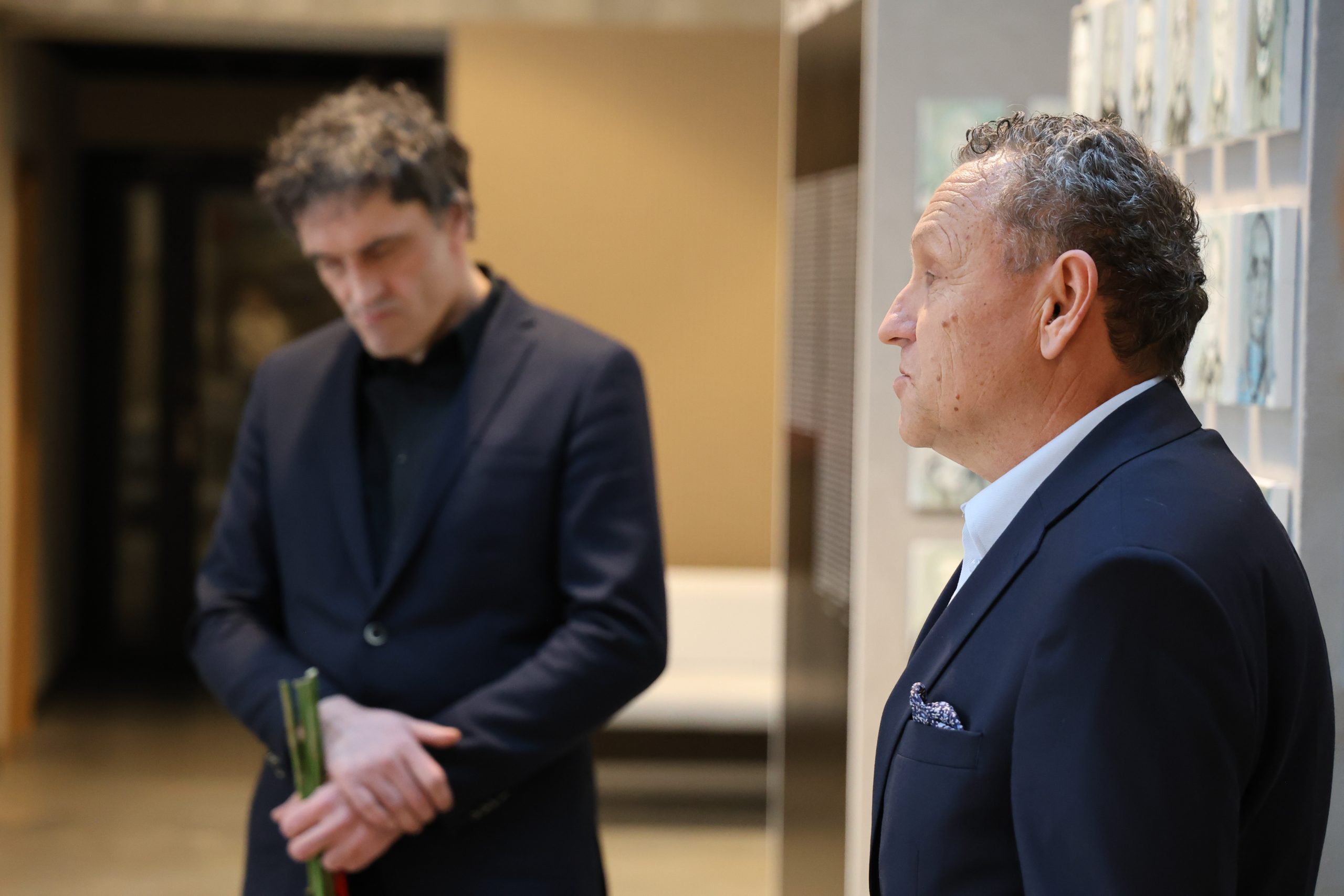
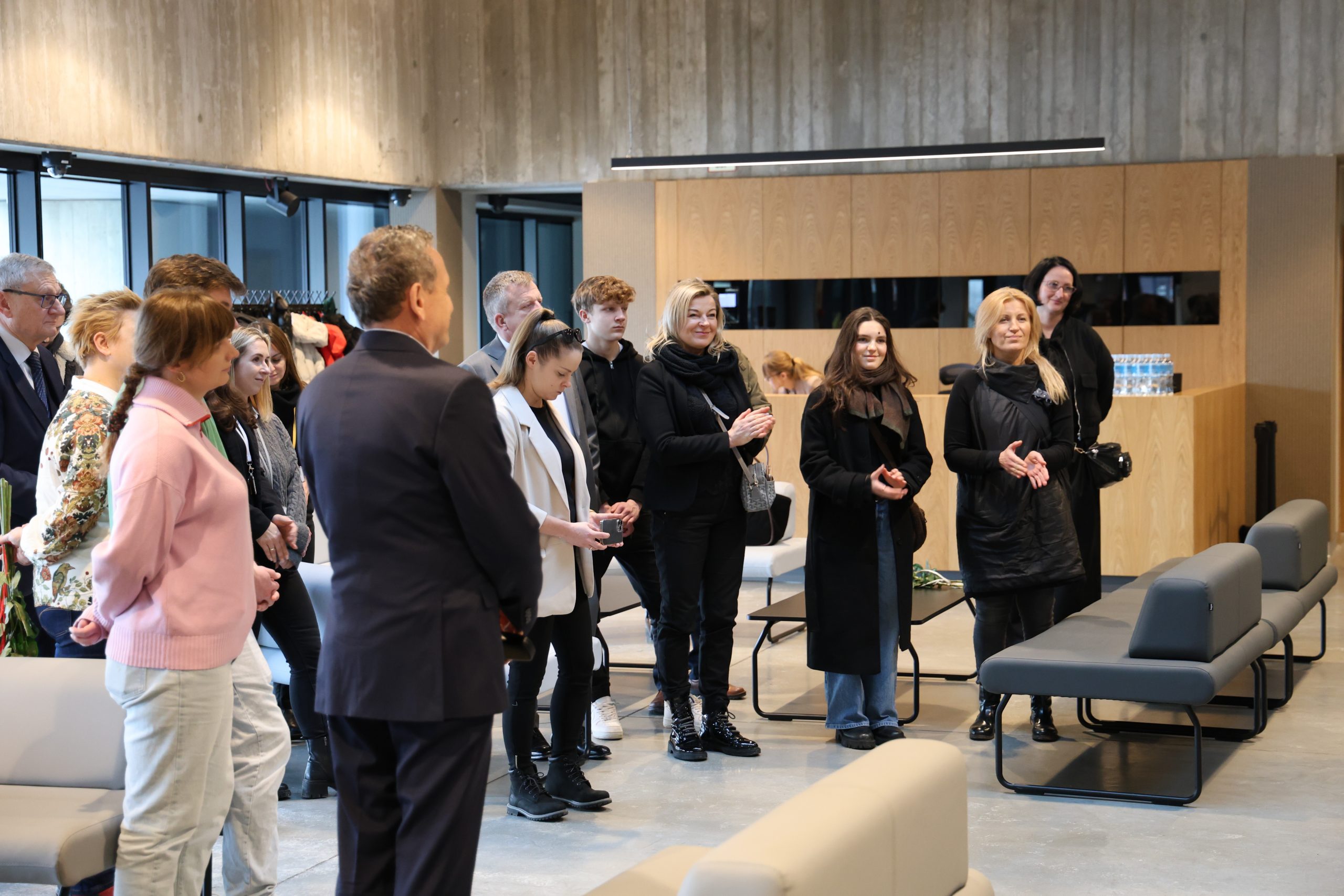
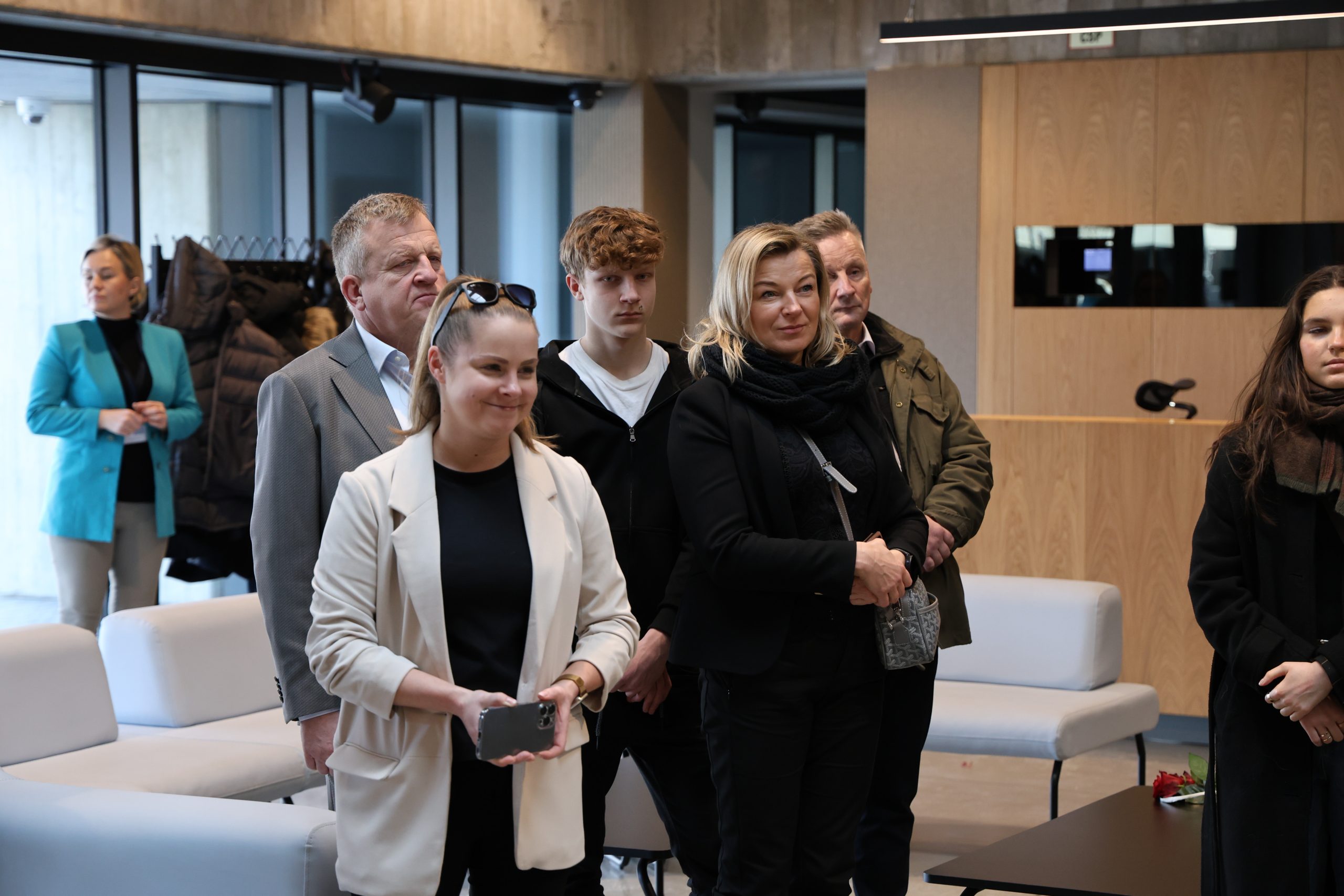
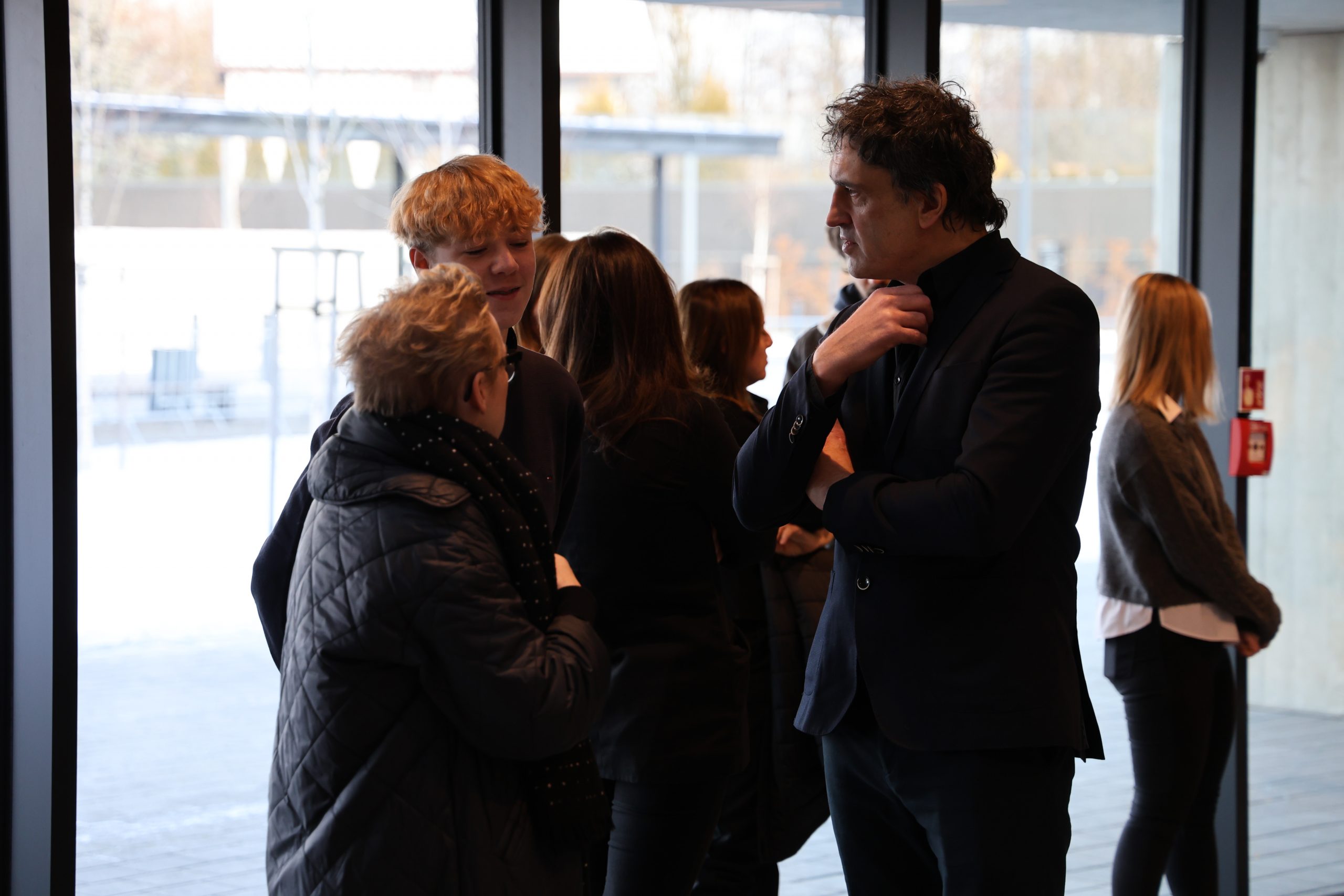
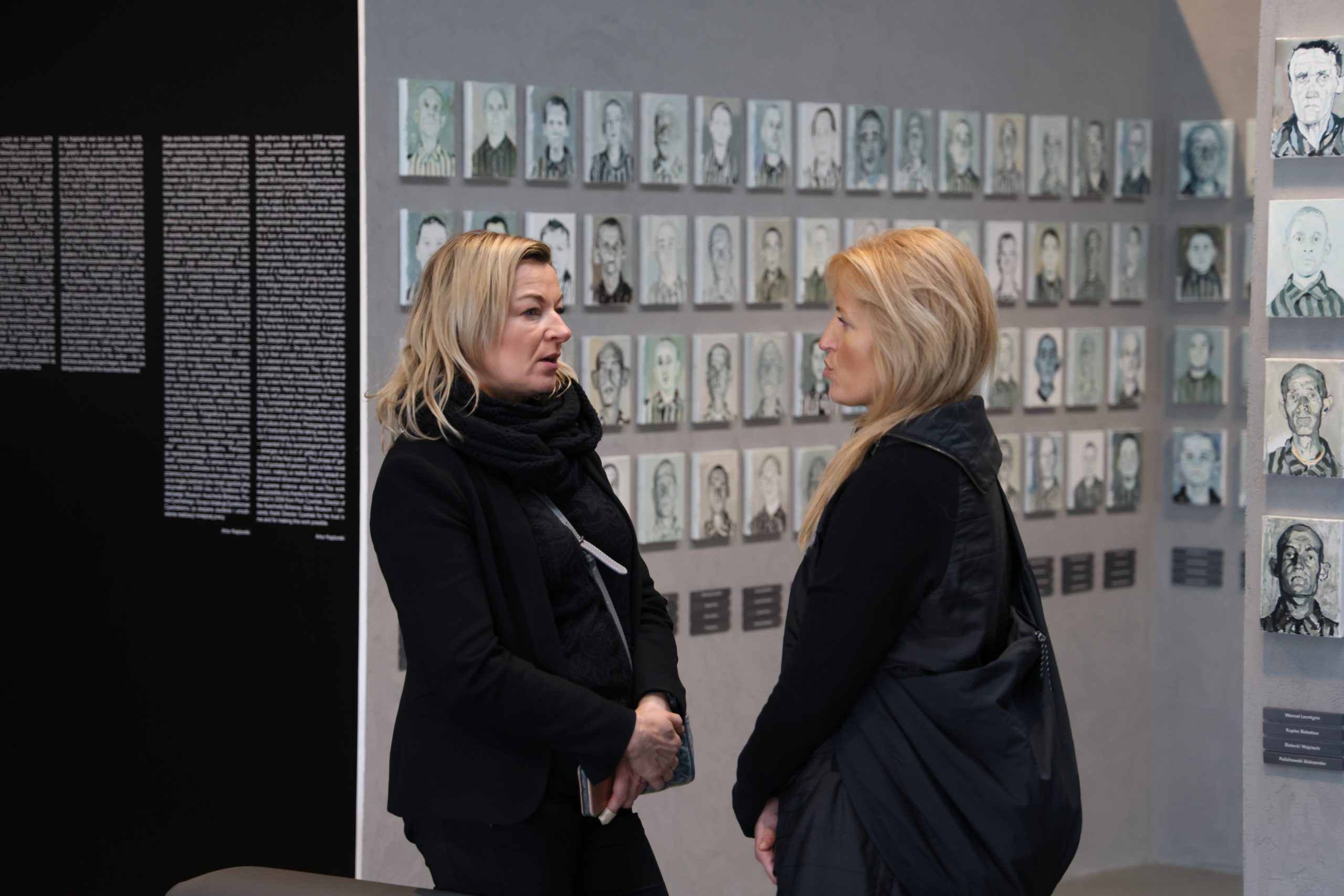
We invite you to view the photos from the exhibition's grand opening (photo by Janusz Kozioł).